
Why Rely on a Hardware Wallet for Crypto?
Choosing safe storage for digital coins is a top worry. Software wallets hold keys online. This makes them easy targets for hackers. Hardware wallets keep keys offline. Using the Ledger App Review: Secure Your Crypto Safely process helps explain this better. Many people ask why a physical device is better. Think of it like a safe for your cash. An online wallet is like a wallet in your pocket. A hardware wallet is like a bank vault. Online threats are real. Phishing attacks and malware try to steal your coins. Hardware wallets stop these attacks. Your private keys never touch the internet. This simple change protects your funds. For a deeper look at the hardware itself, check out this Ledger hardware wallet review.
Cold Storage vs Hot Storage
Cold storage means keys are offline. Hot storage means keys are online. Exchanges use hot wallets for trading. This is convenient but risky. A cold hardware wallet gives you control. You hold the keys. Nobody else can move your coins. This is a big difference. Many users prefer cold storage for long term holds. Hot wallets work for small daily spending. For larger amounts, cold storage is safer. Always keep the bulk of your crypto offline.
Risks of Online Storage
Online wallets face several dangers. Exchange happs can freeze your funds. Malware can steal your login details. Phishing websites trick you into typing your seed. Even strong passwords can be broken. Hardware wallets reduce these risks. They sign transactions inside the device. Your computer never sees the private key. This makes phishing attacks useless. Software wallets have their place. For serious savings, hardware is the better choice.
Main Features of the Ledger App
This Ledger App Review: Secure Your Crypto Safely covers the core tools. The Ledger app, known as Ledger Live, is the main interface. It works with all Ledger devices. You can manage over 100 cryptocurrencies. The app shows your balances. It handles transactions and swaps. Security is built into the design. Each transaction needs physical confirmation. You press a button on the device. This prevents remote attacks. The app also tracks your portfolio value. You can see gains and losses over time. It is a complete control center for your crypto.
Security Layers
Security starts with the secure element chip inside the device. This chip is like a credit card chip. It stores your private keys. The app connects to the device via USB or Bluetooth. For Bluetooth, the Nano X encrypts the data. Your keys stay on the device. The app also verifies transaction details on the device screen. You can check the address and amount. This prevents man in the middle attacks. Always double check the screen on your device.
User Interface Design
The app has a clean layout. It shows your main portfolio on the home screen. You can see each coin and its balance. Clicking a coin shows your transaction history. Sending and receiving are simple processes. The app guides you step by step. Even beginners find it easy. The design is consistent across computers and phones. This makes managing your assets smooth.
Setting Up Your Ledger Device
Setting up a new device is straightforward. Follow these steps to start using your hardware wallet. Each step protects your seed phrase. Never share your 24 word recovery phrase. Write it down on paper. Store it in a safe place. Do not take a photo of it. Do not type it on your computer. These steps are part of the Ledger App Review: Secure Your Crypto Safely process.
- Connect your Ledger device to your computer via USB.
- Download the Ledger Live app from the official website.
- Open Ledger Live and choose initialize a new device.
- Write down the 24 recovery words shown on the device screen.
- Confirm your recovery phrase on the device.
- Set a PIN code on the device.
- Install the app for your chosen cryptocurrency on the device.
- Use Ledger Live to create an account for that coin.
- Your wallet is ready to receive funds.
Unboxing and Installation
Your device arrives in a sealed box. Check the security seal before opening. If the seal is broken, contact support. The box contains the device, a cable, and a key chain. Download Ledger Live on your computer. Plug in the device. The app will guide you through the setup. It takes about 10 minutes total. Make sure you have a pen and paper ready for your seed phrase.
Creating a New Wallet
Choose the option to create a new wallet. The device will generate a unique seed phrase. This phrase is the master key to your funds. Write down every word in the correct order. Store the paper in a secure location like a safe. Do not keep it near your computer. If you lose the device, you can recover your coins with this phrase. Never share it with anyone. For more detailed setup tips, read this Ledger user tips guide.
Private Keys and Seed Phrase Security
Your private keys are the heart of your crypto. Ledger keeps these keys completely offline. They are generated on the device. They never leave the device. The seed phrase is a backup for these keys. If you lose your device, buy a new one. Enter your seed phrase into the new device. This restores all your funds. Treat your seed phrase like a million dollar password. Losing it means losing your crypto forever. This is a crucial part of every Ledger App Review: Secure Your Crypto Safely discussion.
Generating Keys Offline
Keys are generated using a random number generator inside the chip. This process is done offline. No internet connection is required. This prevents any remote access to the keys. The device is factory reset if tampered with. This ensures the keys are only known to you. It is a closed system designed for security.
Storing Your Recovery Phrase
Write your seed phrase on the provided card. Or use a metal plate for fire protection. Store it in a bank safe deposit box. Or hide it in a secure location in your home. Do not use digital storage. Do not type it into any website or app. Scammers often ask for your seed phrase. A legitimate service will never ask for it. If someone asks, they are trying to steal your funds. Always keep your phrase private.
Supported Cryptocurrencies and Assets
Ledger supports a wide range of digital assets. You can store Bitcoin, Ethereum, and many altcoins. The list includes top coins like Litecoin and XRP. It also supports many ERC 20 tokens. The app automatically fetches token prices. You can also store NFTs on compatible blockchains. Check the official list for full details. For an updated list of supported coins, see cryptocurrencies on Ledger.
Major Coins
Bitcoin and Ethereum are fully supported. You can send and receive these coins easily. The app shows your transaction history. Fees are shown before you confirm. You can set custom fees if needed. Other major coins like Solana and Cardano also work. Each coin requires a separate app on the device. The device can hold up to 20 apps at a time. You can delete and reinstall apps as needed. Your coins are safe even if apps are removed.
ERC 20 Tokens
Ethereum based tokens work with the Ethereum app. You can store tokens like USDC and UNI. The app detects them automatically. You do not need a separate app for each token. This saves space on your device. Token balances show up in your portfolio. Sending tokens works the same as sending ETH. Make sure you have a small amount of ETH for gas fees.
Advanced Features: Staking, Swaps, and DeFi
Ledger Live offers more than storage. You can stake certain coins directly from the app. Staking earns you rewards. The process is simple. You select a validator and confirm on your device. Swaps are also available. You can trade one coin for another within the app. This is handled by third party partners. The transaction happens directly from your wallet. You remain in control of your keys. DeFi support is growing. You can connect to apps like Aave and Compound. All actions still require physical confirmation on the device.
Staking Options
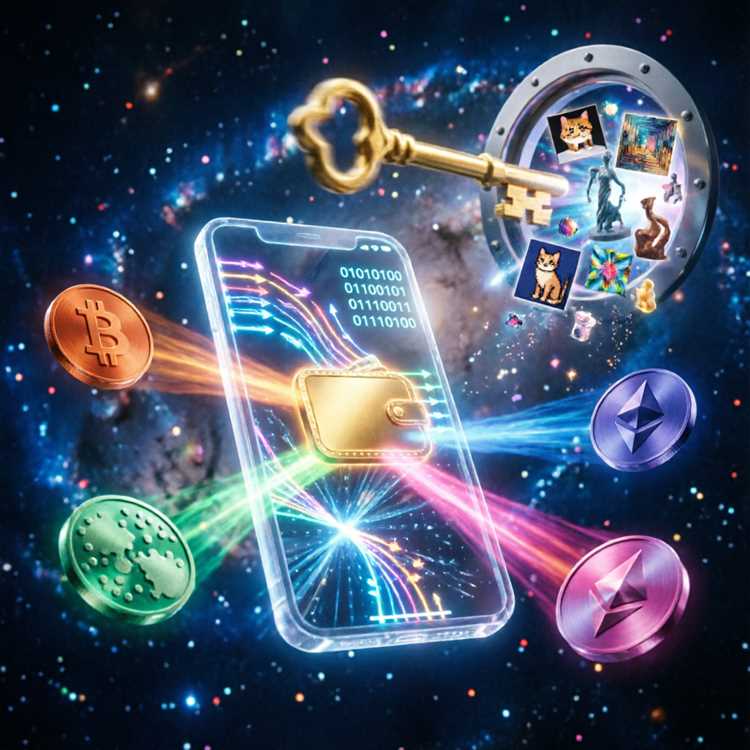
Coins like Tezos and Cosmos can be staked. The app shows potential rewards. You choose a validator based on fee and trust. Your coins stay in your wallet. They earn rewards over time. Rewards are sent directly to your account. You can undelegate at any time. This is a good way to earn passive income. Always research the validator before staking.
In-App Swaps
Swapping allows you to exchange coins without leaving the app. Select the coin you want to swap. Choose the destination coin. The app shows you the exchange rate and fees. You confirm the transaction on your device. The swap is done. Your new coins appear in your wallet. This is convenient for rebalancing your portfolio.
Choosing the Right Ledger Model
Several Ledger models are available. Each has different features and prices. The right choice depends on your needs. Below is a table comparing the main models. Consider screen size, connectivity, and price. Also think about the number of coins you hold. For a closer look at the newest model, read this Ledger Stax review.
| Model | Price | Connectivity | Screen Size | Use Case |
|---|---|---|---|---|
| Nano S Plus | $79 | USB only | Small OLED | Basic storage, low cost |
| Nano X | $149 | USB and Bluetooth | Medium OLED | Mobile users, more coins |
| Stax | $279 | USB, Bluetooth, NFC | Large E Ink | Premium users, NFT display |
Nano S Plus
This is the entry level model. It supports over 100 coins. It has a USB connection. It is smaller and lighter. Works well for desktop users. The price is budget friendly. It lacks Bluetooth. It cannot connect to phones directly. A good choice for first time users.
Nano X
The Nano X adds Bluetooth. This allows connection to phones. You can manage your crypto on the go. It has more memory than the S Plus. It can hold more apps at once. The battery lasts several hours. Wireless connectivity makes it convenient. It is the most popular model for active users.
Common Mistakes to Avoid
New users often make simple errors. Avoiding these mistakes saves you stress and money. One big mistake is losing your seed phrase. Another is falling for phishing emails. Scammers pretend to be Ledger support. They ask for your seed phrase. Legitimate support never does this. Also, failing to update firmware can cause issues. Updates bring security patches. Staying updated is part of Ledger App Review: Secure Your Crypto Safely best practices.
Losing Seed Phrase
Your seed phrase is the only way to recover funds. Losing it means you lose access forever. Write it down on paper. Store it in a fireproof safe. Consider making a copy for a second location. Do not type it online. Do not store it in cloud services. Treat it like a physical key to a vault.
Phishing Scams
Phishing emails look official. They ask you to click a link. The link goes to a fake site. The fake site asks for your seed phrase or PIN. Always check the URL. Only use the official Ledger Live app. Ledger will never ask for your seed phrase. If you receive such an email, report it. For more tips on avoiding traps, see Ledger user tips.
How Does Ledger Compare to Competitors?
Several hardware wallets exist in the market. Trezor and KeepKey are other popular brands. Ledger stands out for its secure element chip. It also has the Ledger Live app which is user friendly. Trezor uses open source software. Some users prefer this for transparency. KeepKey is a earlier model with fewer features. Ledger has a larger coin selection. It also supports more DeFi apps. For a side by side comparison, read about alternatives to Ledger. Choosing the right device depends on your priorities. If you want maximum coin support and mobile use, Ledger is strong. If you value open source firmware, Trezor might be better. Both provide good security for your assets. For more on the general landscape, see best crypto storage options.
Hardware vs Software Wallets
Software wallets are free and easy to use. They are good for small amounts and daily transactions. Hardware wallets cost money but offer better security. For significant savings, hardware is the way. You may use both for different purposes. Keep small amounts in a software wallet. Store your main holdings on a hardware wallet. Each has a role in your crypto journey.
Frequently Asked Questions
Here are common questions about using a Ledger device.
Can I use Ledger with my phone?
Yes. The Nano X connects via Bluetooth. The S Plus requires a USB OTG cable. The Stax works with Bluetooth and NFC. All models work with the Ledger Live mobile app.
What if I lose my Ledger device?
Buy a new Ledger device. Use your 24 word recovery phrase to restore your funds. Enter the phrase into the new device. Your wallet and coins reappear. Keep your recovery phrase safe at all times.
How do I update firmware?
Open Ledger Live on your computer. Connect your device. Click on device manager. Check for firmware updates. Follow the on screen instructions. Your coins remain safe during the update. Do not unplug the device during the process. For detailed steps, follow the Ledger Live firmware guide.
Is Ledger safe for large amounts?
Yes. The device uses a secure element chip. Private keys never leave the device. For very large amounts, consider using multiple wallets. This spreads risk. The Ledger device is trusted by many users worldwide.
Can I stake Bitcoin with Ledger?
Bitcoin does not support staking in the traditional sense. You can earn rewards by lending Bitcoin on DeFi platforms. This requires connecting to a third party app. Ledger supports this through Ledger Live. Always research the risks before lending.
What is the best Ledger model for 2024?
For most users, the Nano X offers the best balance of features and price. The Stax is premium with a larger screen. The S Plus is great for budget buyers. Your choice depends on your needs. For an overall recommendation, see this best crypto hardware wallet 2024 overview.