What Makes Ledger Different from Other Hardware Wallets
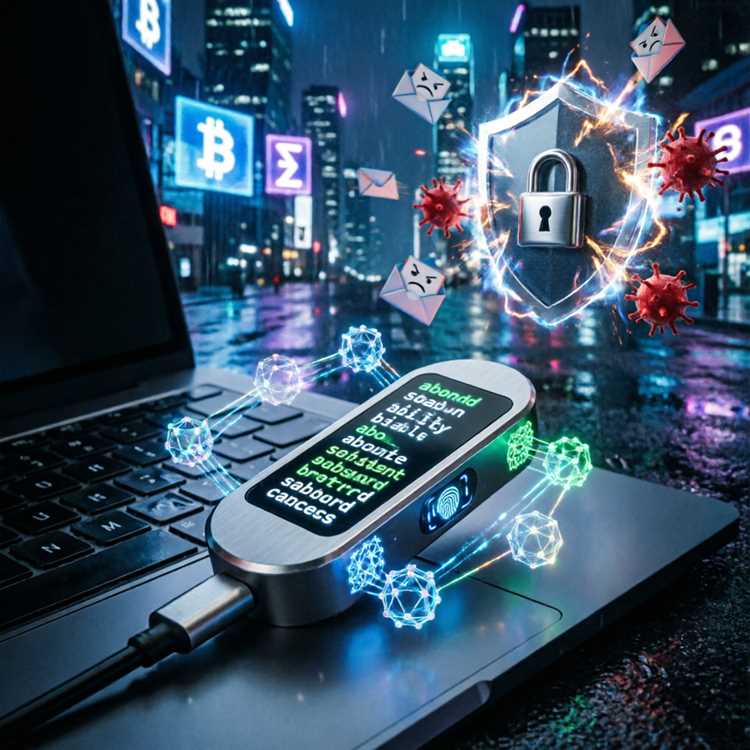
Ledger has been a leader in crypto security since 2014. This Comprehensive Ledger Wallet Review 2024: Nano X and More explores why millions trust these devices. For 2024, Ledger offers updated firmware and new models. Our Ledger hardware wallet review covers real world usage. Many users wonder what sets Ledger apart from Trezor or KeepKey. Choosing a hardware wallet involves comparing chip security, app support, and portability. Ledger uses a custom Secure Element chip similar to bank cards. This chip stores private keys offline. No internet connection means no remote hacking. Your crypto stays safe even if you connect to a compromised computer.
Why Hardware Security Matters
Software wallets store keys on internet connected devices. Hackers can steal keys through malware or phishing. Hardware wallets isolate keys completely. Your seed phrase never touches the internet. Signing transactions happens inside the device. Attacks need physical access to your wallet. This makes theft much harder for remote attackers. Ledger devices also include a button for manual confirmation. You approve each transaction physically. This prevents automated draining of your funds.
Comparing Ledger to Software Wallets
Hot wallets like MetaMask or Trust Wallet offer quick access. They are free and easy to use. But they store keys on your phone or computer. A single virus can expose your funds. Ledger security vs hot wallet approaches show a clear winner for long term storage. Cold storage keeps keys offline. You only connect when signing a transaction. Visit our Ledger security vs hot wallet comparison for more details. For daily trading, a small hot wallet balance works. Store large amounts on a Ledger device.
The Role of the Secure Element Chip
Ledger uses a ST33 chip certified at Common Criteria EAL5+. This is the same level as passports and credit cards. The chip resists physical tampering. Even with the device in hand, extracting keys is nearly impossible. Trezor uses a standard microcontroller without this chip. Ledger adds an extra layer of hardware protection. This makes the device harder to attack with side channel methods.
Ledger Nano X Review: Features and Performance
The Ledger Nano X remains a top choice for mobile users. Our Ledger Nano X review tests its Bluetooth, battery, and app support. This device can hold up to 100 different cryptocurrency apps. Storage capacity is 5.5 MB, enough for most users. The 128x64 pixel OLED screen shows transaction details clearly. Two buttons allow navigation and confirmation. Battery life lasts around 8 hours of continuous use. Charging takes about 90 minutes via USB C.
Bluetooth Connectivity and Security
Bluetooth lets you connect the Nano X to your phone wirelessly. You can manage funds without a computer. Some users worry about Bluetooth security. Ledger uses a custom protocol with encryption. The connection is paired locally and does not expose keys. For maximum peace of mind, you can disable Bluetooth. Use only USB when at home. Our guide to a secure Bluetooth wallet explains the technology in detail. Bluetooth does not transmit your seed phrase or private keys.
Supported Cryptocurrencies and Storage Capacity
Ledger Live supports over 500 cryptocurrencies and tokens. You install apps for each blockchain. The Nano X can hold about 100 apps simultaneously. Popular coins like Bitcoin, Ethereum, Solana, and Cardano are supported. You can also manage ERC20, BEP20, and other token standards. Storing multiple assets does not require separate devices. Just install the app for each coin. The device capacity is a major upgrade over the Nano S.
Battery Life and Charging Experience
The Nano X includes a 100 mAh lithium ion battery. Full charge takes about 1.5 hours. Standby time reaches several weeks. With regular use, you need to charge every few days. The battery is not user replaceable. If it fails, the device still works when plugged in. You can use it as a wired wallet indefinitely. The USB C port is standard and easy to find cables for.
How to Setup Ledger Wallet for Beginners
Setting up your device is straightforward. Follow this guide to setup Ledger wallet safely. First, connect the device to your computer or phone. Download the Ledger Live app from the official site. Never use a third party download. Install the app and create a new wallet. You will generate a 24 word recovery phrase. Write it down on the provided paper card. Never store it digitally. Then set a 4 to 8 digit PIN. Install the apps for your chosen cryptocurrencies. Send a small test amount first.
- Connect the Ledger device to your computer via USB.
- Download Ledger Live from ledger.com only.
- Open Ledger Live and select "Initialize a new device".
- Write down your 24 word recovery phrase on paper.
- Set a PIN code on the device.
- Install the Bitcoin, Ethereum, or other apps.
- Send a small test transaction to confirm everything works.
Always test with a small amount before moving large funds. Store your recovery phrase in a safe place like a fireproof safe. Consider using a second backup stored in a different location. For more details, read our setup Ledger wallet guide.
Understanding the Ledger App Ecosystem
The ledger app, called Ledger Live, is your control center. It manages accounts, installs blockchain apps, and tracks prices. Ledger Live is available for Windows, macOS, Linux, iOS, and Android. The desktop version offers more features like staking and swapping. Mobile version is great for checking balances on the go. Both versions work with the Nano X via Bluetooth. Download the ledger app from the official store. Never use a fake or modified version.
Installing and Managing Apps
Each blockchain requires its own app. You install apps directly from Ledger Live. The device has limited storage, so you can only install a subset at a time. To install, open Ledger Live, go to "Manager", and select the app. Confirm installation on the device. Storage is 5.5 MB for the Nano X. Apps vary in size from 100 KB to 400 KB. You can uninstall and reinstall apps without losing funds. Your keys stay on the device.
Using Ledger Live on Desktop vs Mobile
Desktop version offers full functionality. You can stake coins, swap tokens, and buy crypto. Mobile version is more limited but still useful. You can send and receive crypto, check balances, and install apps. Mobile uses Bluetooth connection for the Nano X. Desktop uses USB. Both versions sync your portfolio. Updates are frequent and add new features. Keep the app updated for best security.
Staking and DeFi Through Ledger DeFi
Ledger supports staking for coins like Tezos, Cosmos, and Polkadot. You can delegate your coins to validators and earn rewards. Staking happens directly from Ledger Live. Your keys never leave the device. For DeFi, you can connect Ledger to third party wallets like MetaMask. Use the device to sign transactions for lending, swapping, or providing liquidity. Our Ledger DeFi guide explains how to connect safely. Always verify the contract address before signing.
Ledger Wallet 2024: Which Model Should You Choose

For 2024, Ledger offers three main models. This comparison helps you decide. The Nano X is the premium option with Bluetooth and battery. The Nano S Plus is a budget choice with a larger screen. The Ledger Stax is a new curved E Ink display device. Each model supports the same security standards. Choose based on budget, portability, and screen preference.
| Model | Price | Key Features | Best For |
|---|---|---|---|
| Ledger Nano X | $149 | Bluetooth, battery, 100 apps, OLED screen | Mobile users, frequent travelers |
| Ledger Nano S Plus | $79 | USB only, 100 apps, larger screen, no battery | Budget buyers, desktop users |
| Ledger Stax | $279 | E Ink touchscreen, Bluetooth, wireless charging | Collectors, users who want a premium device |
All models support the same recovery phrase and security features. The main difference is convenience and display. The Nano X offers the best balance of features for most users. The Nano S Plus is a great budget hardware wallet option. The Stax is for those who value aesthetics and touch interaction.
Security Best Practices for Your Ledger Hardware Wallet
Protecting your crypto requires more than just a device. Follow these security tips to keep your funds safe. This Ledger hardware wallet review covers essential practices. Start with a strong PIN. Use 8 digits if possible. Enable the passphrase feature for an extra layer. Never share your recovery phrase with anyone. Store it offline in a secure location. Use a hardware wallet for long term storage. Keep a small amount in a hot wallet for daily use.
Protecting Your Recovery Phrase
Your 24 word recovery phrase is the master key. Anyone with these words can access your funds. Never type them into a computer or phone. Never take a photo of them. Store them on paper or metal. Consider a stainless steel backup for fire and flood protection. Split the words into two parts and store in different locations. Use a passphrase for an additional 25th word. Our Ledger backup guide offers more tips.
Using a Strong PIN and Passphrase
Set a PIN that is not your birthday or simple pattern. Use at least 6 digits. The device locks after 3 wrong attempts. With a passphrase, you can create a hidden wallet. This protects you even if someone forces you to unlock the device. The passphrase is not stored on the device. You must enter it each time. Keep your passphrase separate from your recovery phrase.
Avoiding Phishing and Fake Apps
Always download Ledger Live from the official website. Check the URL carefully. Scammers use fake sites that look like Ledger. Never install apps from unofficial sources. Do not enter your recovery phrase into any website. Ledger will never ask for your seed phrase. Be cautious with browser extensions that claim to connect to Ledger. Use only the official Ledger Live app.
Comparing Ledger Security vs Hot Wallet Solutions
Hot wallets offer convenience but come with risks. This section compares Ledger security vs hot wallet approaches. Ledger keeps private keys offline. Hot wallets store keys on internet connected devices. A virus, phishing site, or malicious extension can steal keys. With Ledger, even if your computer is infected, the device signs only approved transactions. The attacker cannot drain your funds without physical access. For small amounts, a hot wallet is acceptable. For large holdings, a hardware wallet is essential.
Why Cold Storage is Safer
Cold storage means keys never touch the internet. Ledger devices are cold storage wallets. They generate keys offline and sign transactions offline. Hot wallets expose keys to the internet each time you use them. Exchanges are also hot wallets. Many hacks have drained exchange funds. Cold storage is the only way to guarantee that your keys remain private. The risk is reduced to physical theft or loss of your seed phrase.
When to Use a Hot Wallet Anyway
Hot wallets are useful for daily spending. You can send small amounts quickly. Use them for interacting with DeFi protocols frequently. Keep only what you can afford to lose. Move the rest to cold storage. Many users keep a small balance in MetaMask for gas fees. The majority of their funds stay on a Ledger device. This balances convenience with security.
Hybrid Approaches with Ledger
You can connect your Ledger to hot wallets like MetaMask. This gives you the convenience of a hot wallet with the security of cold storage. Ledger signs transactions, but keys never leave the device. This is called a hardware wallet interface. It works for DeFi, NFTs, and trading. You still get the security of offline keys. This is one of the best features of Ledger devices.
Ledger Customer Support Review: What to Expect
Good support matters when you have issues. This Ledger support review covers response times and resources. Ledger offers a knowledge base, community forum, and ticket system. Response times vary. Tickets usually get a reply within 24 to 48 hours. The knowledge base covers most common problems. The community forum is active with helpful users. For urgent issues, check the FAQ first. Many problems are solved by resetting the device or reinstalling apps.
Contacting Support via Ticket and Live Chat
Ledger provides a ticket system on their website. You submit a form with your issue. They usually respond within one business day. Live chat is available during business hours for some regions. Chat is faster for simple questions. For complex issues like lost devices, tickets work better. Always include your device model and error details. This speeds up the process.
Community Forum and Knowledge Base
The Ledger community forum is a great resource. Users share solutions for common problems. Search before posting. The knowledge base has articles on setup, recovery, and troubleshooting. It covers all models and features. Many issues are resolved without contacting support. The forum is moderated by Ledger staff. It is a safe place to ask questions.
Warranty and Replacement Policy
Ledger offers a one year warranty on all devices. It covers manufacturing defects. Damage from water, drops, or misuse is not covered. If your device stops working, contact support. They may replace it for free. You can recover your funds on a new device using your recovery phrase. Always keep your seed phrase accessible. This is more important than the device itself.
Budget Hardware Wallet Options: Ledger Nano S Plus
For those on a tight budget, the Nano S Plus is solid. This budget hardware wallet still offers strong security. It supports the same Secure Element chip as the Nano X. It can hold up to 100 apps. The screen is larger than the original Nano S. It works with USB only, no Bluetooth. Price is $79, making it affordable for most users. It is a great entry point into hardware wallets.
Key Differences from Nano X
The Nano S Plus lacks Bluetooth and battery. You must plug it into a computer or phone via USB. It does not work wirelessly with mobile devices. The screen is slightly larger than the original Nano S but smaller than the Nano X. Storage is the same 5.5 MB. Transaction speed is similar. The main trade off is convenience. You save $70 by skipping Bluetooth and battery.
Price and Value Proposition
At $79, the Nano S Plus is the best value in the Ledger lineup. It offers the same security as the $149 Nano X. The only missing features are Bluetooth and battery. If you rarely use your wallet on the go, save the money. Use the savings to buy more crypto. The device is durable and lasts for years. It is a smart choice for desktop only users.
Who Should Buy the Nano S Plus

This device is ideal for beginners. It is also good for users who hold crypto as a long term investment. If you do not need to send transactions daily, the Nano S Plus works fine. It is also a good backup device. You can store one at home and one in a safe deposit box. Many users buy a Nano S Plus as a secondary wallet.
Frequently Asked Questions About Ledger Wallets
What cryptocurrencies does Ledger support?
Ledger supports over 500 cryptocurrencies and tokens. This includes Bitcoin, Ethereum, Solana, Cardano, and many more. You can also manage ERC20 and BEP20 tokens. New coins are added regularly. Check the Ledger Live app for the full list.
Is the Ledger Nano X worth the extra cost?
Yes, if you need mobile access. Bluetooth and battery are convenient. You can manage your wallet from your phone. If you only use a desktop, the Nano S Plus is a better value. The Nano X is worth the extra for frequent travelers.
How do I recover my wallet if I lose my device?
Buy a new Ledger device. Download Ledger Live. Select "Restore from recovery phrase". Enter your 24 words. Your wallets and funds will appear. Never enter your recovery phrase into a computer. Only use the device for recovery.
Can I use Ledger with DeFi protocols?
Yes, connect your Ledger to MetaMask or other wallets. Sign transactions with the device. Your keys stay offline. This works for lending, swapping, and liquidity pools. Always verify the contract address before signing.
Does Ledger work with mobile phones?
The Nano X works with Android and iOS via Bluetooth. The Nano S Plus requires a USB adapter for mobile. Some Android phones support USB OTG. The Nano X is the best mobile choice. Install the Ledger Live mobile app to get started.