How Do Ledger Hardware Wallets and Software Wallets Differ at Their Core?
Choosing between a Ledger hardware wallet and a software wallet is a key decision. It affects how you control your crypto. Each type offers different trade offs in usability and safety. This guide breaks down the Ledger Hardware Wallet vs Software Wallet: Pros and Cons to help you choose.
Your digital assets need a home. You have two main options: a physical device or an app on your phone or computer. Understanding their core differences is your first step toward smart storage. Many users start with a free app. Later, they move to a hardware device for better protection. This guide explains why that shift happens.
Understanding the Security Gap in Crypto Storage
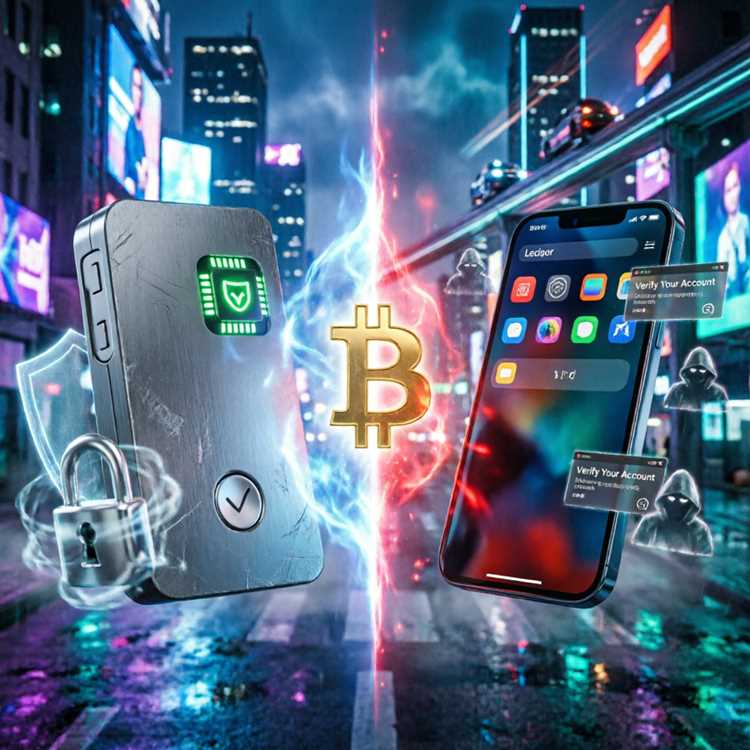
The biggest difference between these wallets is how they handle private keys. Private keys are secret codes that prove you own your coins. A software wallet stores these keys on a device connected to the internet. This is called a hot wallet. A Ledger hardware wallet stores keys offline on a dedicated chip. This is known as cold storage. This single fact shapes the entire Ledger vs software wallet debate.
Private Key Storage: Online vs Offline
Software wallets keep your keys on your phone or computer. If that device gets hacked, your keys can be stolen. Ledger stores your keys inside a special Secure Element chip. This chip is built to resist physical attacks. It never exposes your private keys to the internet. This is the core of Ledger security vs hot wallet.
Attack Vectors and Common Threats
Hot wallets face many online threats. Phishing sites trick you into giving up your seed phrase. Malware on your computer can steal data. A hardware wallet adds a physical step to every transaction. You must press a button on the device to confirm. Ledger Secure Element technology makes these attacks much harder to execute.
The Role of Seed Phrases in Both Systems
Both wallet types use a seed phrase to recover your funds. This is usually 12 or 24 words. With a software wallet, your seed phrase is often stored in the app or browser. With Ledger, the seed is generated offline. It never touches your computer. Your seed is your last line of defense. Protecting it is vital for best crypto hardware wallet 2024 practices.
How Convenience Differs Between Hot and Cold Wallets
Software wallets win on speed and ease of use. You can install an app in minutes. Sending and receiving crypto takes seconds. A Ledger device must be plugged in, unlocked, and confirmed. This is less convenient for frequent trades. But for long term holding, the extra steps bring extra safety. This trade off defines the hardware vs software wallet choice.
Speed of Setup and Daily Use

Setting up a software wallet takes under five minutes. You download an app, create a password, and store your seed. A Ledger requires unboxing, charging, downloading Ledger Live, and setting up the device. Initial setup takes 15 to 30 minutes. Daily use is also slower. Every transaction requires connecting the device and pressing physical buttons.
Accessing Your Funds on the Go
Software wallets are perfect for mobile use. You can send crypto from your phone anywhere. A Ledger is not designed for quick mobile access. You need a cable or Bluetooth connection. The Ledger Nano X supports Bluetooth. This helps, but it is still slower than a phone app. For gaming or trading apps, hot wallets remain the standard choice.
Transaction Limits and Gas Fees
Software wallets let you adjust gas fees easily. You can speed up a transaction when networks are busy. Ledger uses the Ledger Live interface for this. It works well but adds an extra step. Some users prefer software wallets for DeFi actions. They want to react fast to market moves. For this use case, check out DeFi with Ledger for a different approach.
Comparing Initial Cost and Long Term Value
Software wallets are free to download and use. This makes them the best crypto storage choice for beginners with small amounts. A Ledger hardware wallet costs money upfront. Prices range from $79 for the Nano S Plus to $279 for the Ledger Stax. Over time, this cost is small compared to the value of coins it protects. Think of it as insurance for your digital wealth.
Price Breakdown of Popular Ledger Models
The Ledger Nano S Plus costs $79. It supports over 5,500 coins and NFTs. The Nano X adds Bluetooth and more memory for $149. The Ledger Stax features a curved E Ink touchscreen and costs $279. Each price point matches different user needs. A free software wallet like MetaMask or Trust Wallet has no upfront cost. But it offers no physical security guarantee.
Long Term Savings and Recovery Costs
Losing access to a software wallet due to a hack can cost you everything. A hardware wallet is a one time purchase that prevents this. If you lose a Ledger device, you can recover your funds with a new one using your seed phrase. This makes the investment worthwhile for sums over a few hundred dollars. A ledger review often highlights this value proposition.
Setting Up Your Ledger Hardware Wallet Step by Step
Getting started with a hardware wallet is straightforward. Follow these steps to secure your assets. Using a hardware wallet for the first time feels different than a software app. But the process is well guided by Ledger Live. Here is a numbered list for a smooth setup.
- Unbox your device and connect it to your computer or phone using the provided cable.
- Download and install Ledger Live from the official Ledger website.
- Select "Initialize a new device" on your Ledger Live app.
- Choose a PIN code on the device. Use 4 to 8 digits.
- Write down your 24 word recovery phrase on the provided paper card. Never store it digitally.
- Install the crypto apps you need on the device using Ledger Live.
- Create an account for the specific coin you want to receive.
Each step is confirmed on the device screen. This prevents remote attackers from interfering. For more detailed guidance, read through the Ledger firmware update process to keep your device current.
Features to Look For in a Crypto Wallet
Not all wallets are built the same. When comparing options, look for these key features. A good wallet balances safety with usability. Here is a bulleted list of features that matter most.
- Private key control: You should hold your own keys, not an exchange.
- Coin support: Does it support Bitcoin, Ethereum, Solana, and your favorite altcoins?
- Backup and recovery: A clear system for recovering your funds if the device is lost.
- Screen verification: A physical screen to confirm transaction details.
- Software integration: Works with DeFi platforms and dApps easily.
Hardware wallets typically offer all these features. Many free software wallets also provide key control but lack the physical screen. This physical screen is critical for verifying you are not sending funds to a scam address.
When to Choose a Software Wallet Over a Hardware Wallet
Software wallets are not inferior. They are simply designed for different needs. You should choose a hot wallet when you need fast access. Use a software wallet for small amounts you trade daily. Never store your life savings in a hot wallet. Use it as a spending account, similar to cash in your pocket. The Ledger vs software wallet discussion often misses this context.
Daily Trading and Active DeFi Use
If you trade several times a day, a hot wallet is more practical. Connecting a Ledger for every swap becomes tedious. Software wallets integrate directly with exchanges and DeFi protocols. You can approve transactions with one click. For this workflow, keep a small balance in a hot wallet. Store the rest in cold storage.
Small Balance Storage for New Users
When you are just starting out, a software wallet is fine. The risk of losing $50 in crypto is low. You can learn about private keys and seed phrases without spending money on hardware. As your portfolio grows, the risk changes. At around $500 to $1000 in value, it is time to consider a Ledger wallet comparison to find your model.
When Only a Hardware Wallet Will Do
Some situations demand the highest level of safety. If you hold tokens worth thousands of dollars, a hardware wallet is not optional. It is a necessity. The peace of mind from knowing your keys are offline is worth the cost. This is where Ledger security vs hot wallet becomes crystal clear. Here is the key scenario.
Long Term Holding of Large Portfolios
Investors planning to hold for years should use cold storage. A hardware wallet protects against exchange hacks, computer viruses, and keyloggers. Your coins remain safe even if your computer is compromised. Leading holders consistently choose the best crypto hardware wallet 2024 for this reason.
Staking and Earning Rewards Safely
Ledger supports staking directly from the device. You can stake coins like Ethereum, Solana, and Polkadot. Your keys stay offline while your coins earn rewards. This gives you the best of both worlds. You earn passive income without sacrificing security. Learn more about staking on Ledger Live to boost your returns.
The Role of Software in a Hardware Wallet Ecosystem
Using a Ledger does not mean you stop using software. Ledger Live is the software interface that manages your device. It shows balances, processes transactions, and installs apps. The hardware handles signing. The software handles display and connectivity. This combination offers a layered security model. It is a smart way to use technology.
Ledger Live as a Command Center
Ledger Live is available for desktop and mobile. It tracks your portfolio across different blockchains. You can buy, sell, and swap within the app. The app never sees your private keys. It only sends the unsigned transaction to the device. The device signs it offline and sends it back. This prevents any single point of failure.
Integrating with Third Party Wallets
You can connect your Ledger to MetaMask, Phantom, or other hot wallets. This lets you use Web3 apps while keeping keys on the device. The hot wallet becomes a "view only" interface. Your keys stay secure on the Ledger. This setup is popular for DeFi users who need safety. Check the DeFi with Ledger page for specific integration steps.
Accessories and Pricing Table
Building your cold storage setup may require some accessories. Here is a table showing prices, compatibility, and use cases for common items.
| Accessory | Price Range | Compatible Models | Use Case |
|---|---|---|---|
| Ledger Nano S Plus Device | $79 | Nano S Plus only | Basic cold storage for 5,500+ coins |
| Ledger Nano X Device | $149 | Nano X only | Bluetooth enabled storage for mobile use |
| Ledger Stax Device | $279 | Stax only | Premium cold storage with E Ink screen |
| Ledger OTG Cable Kit | $19.99 | Nano X, Nano S Plus | Connect device directly to Android phones |
| Ledger Protective Case | $14.99 | Nano X, Stax | Protect device from drops and scratches |
| Recovery Check App | Free | All Ledger models | Verify your seed phrase backup is correct |
Choosing the right accessory depends on your lifestyle. A case is useful for travel. An OTG cable helps if you use Android for mobile transactions. Every Ledger device comes with the necessary cables and a recovery sheet in the box.
Frequently Asked Questions About Wallet Security
Many users share common concerns when choosing a wallet. Here are clear answers to the most frequent questions. This summary helps clarify the Ledger Hardware Wallet vs Software Wallet: Pros and Cons debate.
Can a software wallet be hacked?
Yes. If your phone or computer has malware, a hacker can steal your keys. Software wallets are only as safe as the device they run on.
Is a Ledger wallet 100 percent safe?
No device is 100 percent safe. Ledger uses a Secure Element chip to make attacks very hard. User error, like sharing your seed phrase, remains the biggest risk.
Do I need a software wallet if I have a Ledger?
You need the Ledger Live software to manage your hardware wallet. You might also use a third party software wallet as an interface for DeFi. The hardware provides the security layer.
Which is better for beginners: hot or cold?
Beginners with small amounts can start with a software wallet. As your holdings grow, a hardware wallet becomes the better choice. Think of it as upgrading from a shoebox to a safe.
Can I use a Ledger for DeFi and NFTs?
Yes. You can connect your Ledger to MetaMask or Phantom. This lets you use DeFi platforms and collect NFTs. All transactions must be confirmed on the device screen.