
Understanding crypto wallet pitfalls
Many users purchase a hardware wallet believing funds are safe automatically. Yet 7 Common Ledger Wallet Mistakes and How to Avoid Them reveals that security depends on correct usage. These mistakes lead to lost coins, locked accounts, or stolen assets. Understanding each error helps you protect your crypto and avoid future stress.
Starting with a Ledger device offers strong protection. But relying on the hardware alone is not enough. Small oversights during setup or daily use can cause big problems. Learning from other users mistakes saves time and money. This guide covers the most frequent errors and gives clear steps to prevent them. Whether you are new or experienced, these tips apply to every ledger owner.
1. Misplacing the recovery phrase
Losing your recovery phrase is one of the most widespread Ledger wallet mistakes. Without these 24 words, you cannot access your funds if the device breaks or gets lost. Many users store the phrase digitally or in insecure places. This creates a major risk for avoid Ledger loss efforts. Taking proper care of the phrase is essential.
Where to store the seed safely
Use a metal or fireproof container for the Ledger recovery phrase. Never keep it on a computer, phone, or cloud service. Write the words by hand and store them in a safe. A safe deposit box also works well. Keep a second copy in a separate location. This protects against theft and natural disasters.
Common storage errors to avoid
Photographing the phrase is a common error. Hackers access phone storage easily. Emailing the words to yourself is equally risky. Losing the paper where you wrote the phrase is another mistake. Always double-check that you wrote each word correctly. Using multiple backup methods gives extra safety.
Recovery phrase best practices
Test your recovery process before sending large amounts. Practice restoring your wallet on a spare device. Store the phrase in a location only you know. Do not share it with friends or family. Hardware wallet security depends on keeping the phrase secret forever.
2. Neglecting firmware updates
Skipping firmware updates is a simple way to create common Ledger errors. Each update fixes security holes and adds new features. Using outdated firmware exposes your device to exploits. Regular updates ensure your wallet stays protected against new threats. Many users ignore update notifications, risking their funds.
Why firmware updates matter for safety
Every update patches known vulnerabilities. Hackers target outdated firmware because it is easier to break. New features also improve usability and coin support. Updating takes only a few minutes. Neglecting this step makes your wallet weaker over time.
How to update your Ledger device
Open Ledger Live and connect your device. Check for available updates in the manager section. Follow the on-screen instructions. Back up your recovery phrase before updating. Keep your device and computer connected until the process finishes.
Checking update history
Review the update notes before installing. New versions often support additional cryptocurrencies. Use only official sources for downloading updates. Avoid third-party tools that claim to update your device. Staying current protects your investment and avoids Ledger wallet mistakes.
3. Buying from unofficial sellers
Purchasing a Ledger from unauthorized retailers is a dangerous Ledger wallet mistake. Tampered devices can steal your recovery phrase. Counterfeit hardware looks identical to the real one. Only buy directly from Ledger or authorized partners. This simple step helps avoid Ledger loss.
Risks of second-hand or discount devices
Used devices might have pre-installed malware. Discounted prices often hide fake products. These devices can send your seed to attackers. Even tamper-proof seals can be faked. Always inspect the packaging carefully. Do not trust deals that seem too good to be true.
Verifying authenticity after purchase
Check the security seal after opening the box. Use the device setup process to confirm it is genuine. Legitimate devices generate a new recovery phrase. If the device provides an existing phrase, stop immediately. Contact Ledger support for verification steps.
Where to safely buy a Ledger
Buy from the official Ledger website. Authorized retailers like Amazon are acceptable if the seller is verified. Avoid eBay, Facebook Marketplace, or random online stores. Paying a little more for a new device is worth the safety.
4. Rushing the initial setup
Skipping setup steps leads to common Ledger errors that lock users out. Many people hurry through the process and make mistakes. Missing a word or writing incorrectly causes loss of access. Taking time to setup Ledger wallet correctly prevents future problems.
Step by step setup checklist
- Open Ledger Live and choose "Initialize a new device."
- Write down the 24 recovery words exactly as shown.
- Verify each word by confirming it on the device screen.
- Set a secure PIN code between 4 and 8 digits.
- Install apps for the cryptocurrencies you plan to use.
- Send a small test amount before moving your full balance.
Testing your setup before use
After setup, reset the device and restore it using your phrase. This proves the recovery works. Then reinstall apps and test sending a transaction. Practicing the recovery ensures you do not lose access later. This step is often skipped by new users.
Common setup pitfalls to avoid
Do not use a PIN that is easy to guess. Never type your recovery phrase into a computer. Avoid setting up the device while distracted. Always follow the screen prompts exactly. Rushing creates mistakes that can cost you your crypto.
5. Connecting to untrusted dApps
Linking your Ledger to unknown dApps or websites causes Ledger wallet mistakes. Malicious contracts can drain your funds without permission. Even trusted dApps sometimes have security flaws. Using the ledger app for every connection adds a layer of protection. Always review transaction details on the device screen.
How malicious dApps steal funds
Some dApps request unlimited token approvals. Others trick you into signing transactions that transfer assets. Fake websites mimic popular platforms like Uniswap or OpenSea. Hackers use phishing emails to direct you to these sites. Double-check the URL and verify the dApp reputation.
Using Ledger Live as a safe gateway
Use Ledger Live to manage connections and approve transactions. For NFT storage, refer to the Ledger NFT storage guide. Always confirm the contract address before signing. Do not approve transactions you do not understand fully.
Reviewing permissions regularly
Revoke unused permissions through block explorers like Etherscan. Check your wallet history for unknown approval requests. Connecting only to verified dApps reduces risk. Keep your device screen visible to see what you are signing. Never approve a transaction if the amount or address looks wrong.
6. Overlooking Bluetooth safety concerns
Using Bluetooth without caution creates Ledger user tips that many ignore. The Ledger Nano X connects via Bluetooth for convenience. While Ledger Bluetooth safety is strong, turning it off when not needed adds protection. Keeping Bluetooth active in public places raises exposure to nearby attacks.
When Bluetooth is safe to use
Bluetooth is safe for home use with your own phone. Avoid using it in crowded areas like coffee shops or airports. The connection is encrypted but physical proximity matters. Pair only with trusted devices. Disable Bluetooth after each session.
Risks of leaving Bluetooth always on
Leaving Bluetooth on drains the battery. Prolonged exposure to potential interception, though unlikely, is unnecessary. Some exploits rely on close-range wireless access. Turning off Bluetooth improves both security and battery life. Make it a habit to disable it after sending transactions.
Alternatives for maximum security
Use a Nano S or Nano X with a USB cable for higher security. Wired connections eliminate all wireless risks. Choose the method that fits your threat model. For large holdings, wired setup is recommended. Smaller balances can use Bluetooth with care.
7. Forgetting to update Ledger Live
Running an outdated version of Ledger Live leads to common Ledger errors. New versions fix bugs and improve compatibility with coins. Outdated software may fail to sync or show incorrect balances. Keeping Ledger Live current is part of good Ledger user tips.
How outdated software creates problems
Old versions may not support new blockchain updates. Transactions can fail or show errors. Security patches for known issues are missed. Syncing your portfolio becomes unreliable. Updating takes a few seconds and prevents these frustrations.
Simple steps to update Ledger Live
- Open Ledger Live and check for updates in the settings menu.
- Download the latest version from the official website.
- Install the update and restart the application.
- Verify that all coin apps show as up to date.
- Test a small transaction after the update.
Scheduling regular software checks
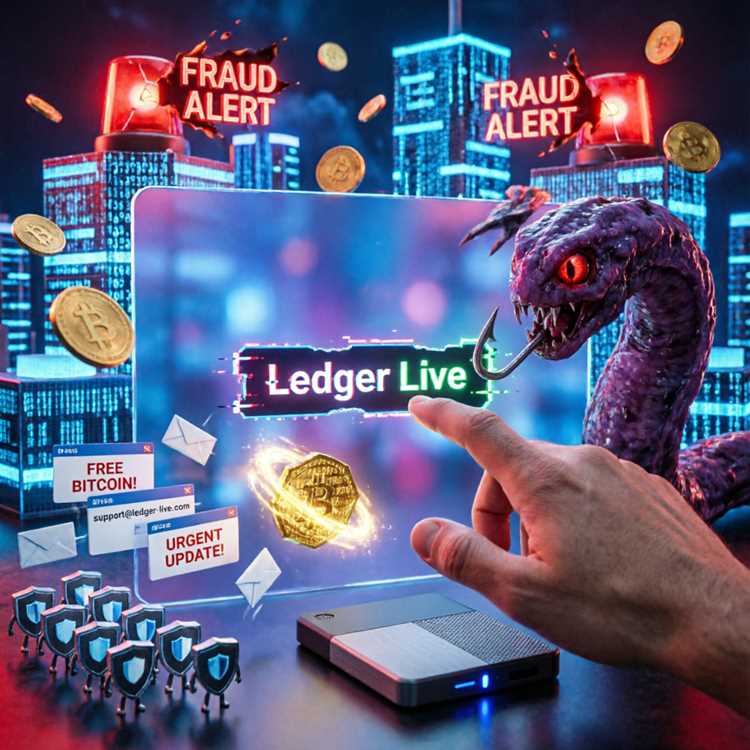
Set a reminder to check for updates weekly. Enable automatic notifications within Ledger Live. Follow Ledger official social channels for update announcements. Staying current avoids the most common Ledger wallet mistakes.
FAQ: Common Ledger questions
This section answers frequent queries about 7 Common Ledger Wallet Mistakes and How to Avoid Them. The answers offer factual guidance without promoting any action. Use this information to improve your overall experience and avoid Ledger loss.
What should I do if I lose my recovery phrase?
If you lose the phrase, you cannot access your funds. No company can recover it for you. You must move any remaining coins to a new wallet immediately. Set up a new device with a fresh recovery phrase. Then transfer your assets before the old wallet becomes unreachable.
How often should I update my Ledger firmware?
Update firmware as soon as a new version is available. Check Ledger Live monthly for updates. Critical security updates appear every few months. Ignoring updates for over six months is a major risk. Set a reminder to avoid forgetting.
Can I use a Ledger with multiple computers?
Yes, you can connect the device to many computers. Ledger Live manages the wallet on each machine. You need to install the app on each computer. The recovery phrase stays on the device only. This is helpful for managing assets from different locations.
Is it safe to connect Ledger to a dApp?
It is safe if you verify every transaction on the device screen. Never approve a transaction blindly. Check the contract address and amount. Use only trusted dApps and websites. Follow the same rules as connecting to any external service.
Summary of key protections
Avoiding these mistakes keeps your crypto safe. Below is a table showing each problem, the risk it creates, and the main solution.
| Mistake | Risk | Solution |
|---|---|---|
| Misplacing recovery phrase | Total loss of access | Store in metal backup, test recovery |
| Neglecting firmware updates | Security holes | Update via Ledger Live regularly |
| Buying from unofficial sellers | Tampered device | Purchase only from official sources |
| Rushing initial setup | Lockout from wallet | Follow checklist, test recovery |
| Connecting to untrusted dApps | Funds drained | Verify each transaction on device |
| Ignoring Bluetooth safety | Proximity attacks | Turn off Bluetooth when idle |
| Outdated Ledger Live | Sync errors and bugs | Update software weekly |
Applying these solutions reduces your risk greatly. Each step is simple and takes little time. Protecting your assets starts with awareness of these Ledger wallet mistakes. Review this guide periodically to stay on track.